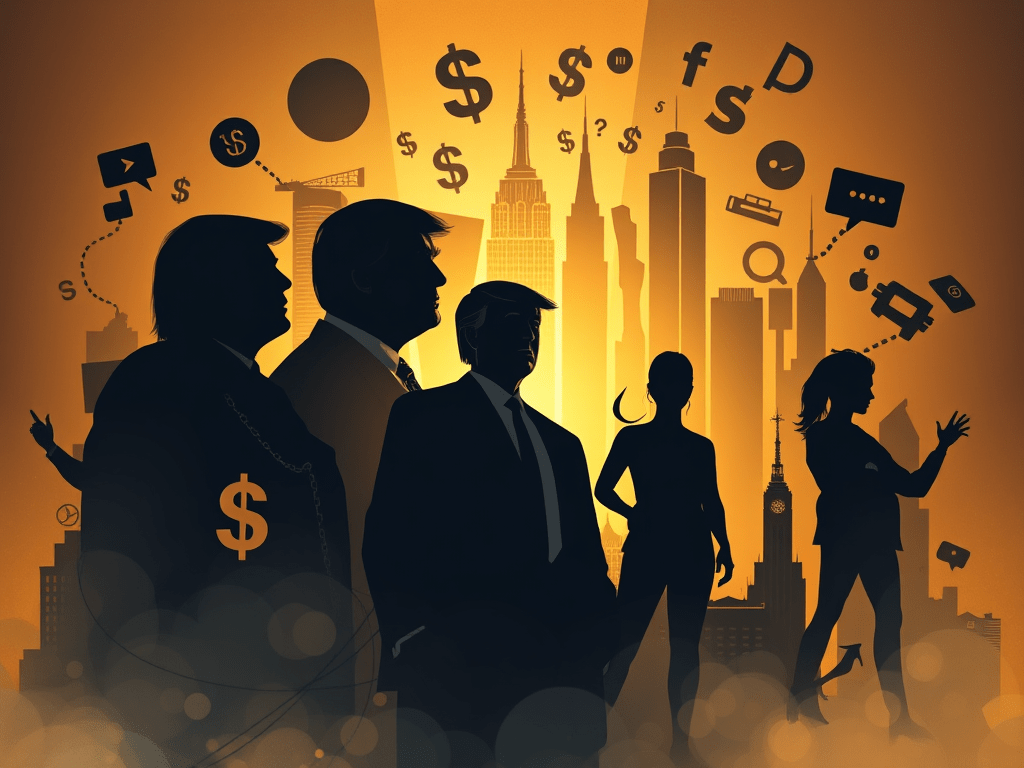
In recent decades, the political and economic landscape in the United States has witnessed a transformation that many critics have labeled as an evolution into an oligarchic system. This blog post explores the contours of American oligarchy—a system where power increasingly rests in the hands of a few—and examines the roles of high-profile figures like Donald Trump and Elon Musk in this unfolding narrative.
A New Power Structure
Traditionally, the United States has prided itself on being a democratic republic where every vote and every voice count. However, as wealth has become increasingly concentrated, so too has influence over public policy and national debate. The modern oligarchy is characterized by the fusion of political power with economic might, where billionaires and business magnates play pivotal roles in shaping policy decisions, media narratives, and public opinion.
Critics argue that this concentration of wealth and power undermines democratic ideals. When a handful of individuals can influence elections, sway media coverage, and steer government decisions, the promise of equal representation for all citizens seems to falter.
The Trump Factor
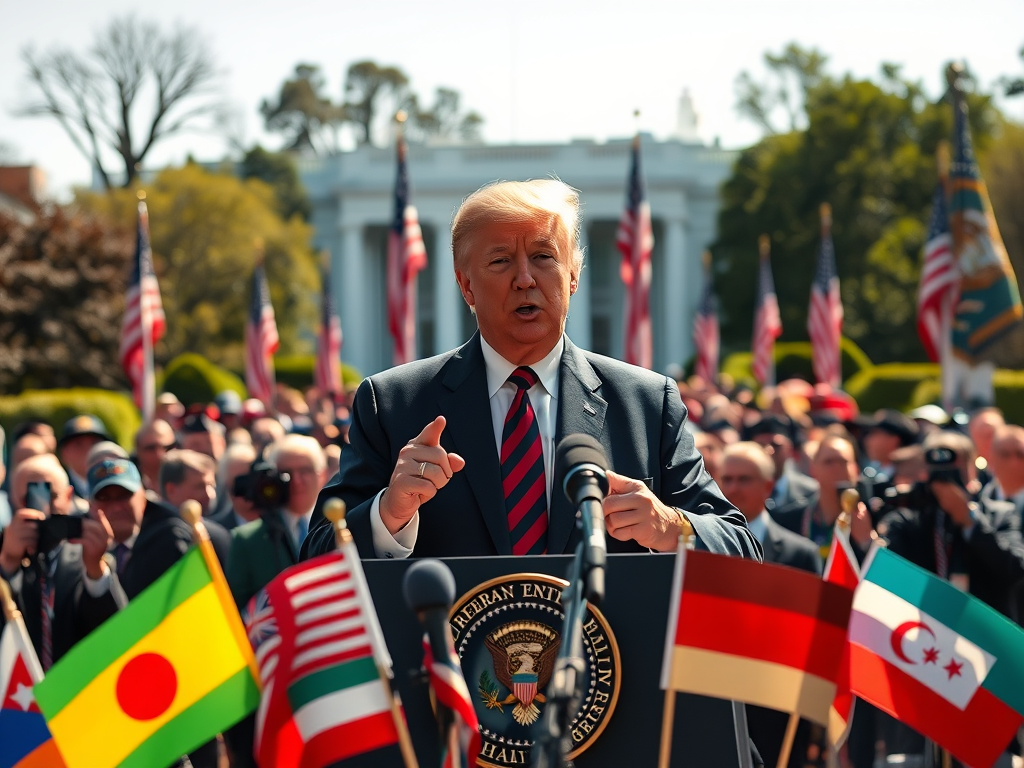
Donald Trump’s ascent to the presidency brought unprecedented attention to the symbiotic relationship between wealth, media savvy, and political power. Before entering politics, Trump was a businessman renowned for his real estate empire and later for his celebrity status. His political rise underscored how media influence and populist rhetoric could catapult an outsider into the highest echelons of power—even in a system ostensibly designed for the many rather than the few.
Trump’s tenure sparked debates over the role of wealth in politics. His approach, which combined direct communication with an aggressive media strategy, resonated with a substantial portion of the American public. At the same time, his critics contend that his leadership further entrenched a system that favors the wealthy elite by blurring the lines between business interests and public policy.
Elon Musk: The Maverick Magnate
On a parallel track, Elon Musk has emerged as a quintessential figure symbolizing modern wealth and innovation. As the driving force behind companies like Tesla and SpaceX, Musk has not only revolutionized industries but also demonstrated how technological innovation can translate into vast personal wealth—and, by extension, significant societal influence.
Musk’s public persona, amplified by his frequent engagement on social media, blurs the boundary between entrepreneur and celebrity. His endeavors raise important questions about accountability, regulation, and the democratic process. When one individual’s vision for the future carries the weight of billions of dollars and influences sectors as critical as energy, transportation, and space exploration, it prompts a broader discussion about who should hold power and how that power should be balanced against public interest.
Oligarchy and the Future of American Democracy
The intertwined stories of Trump and Musk are not isolated incidents but rather part of a larger trend that invites us to re-examine the nature of power in America. Both figures exemplify the dual role of modern oligarchs as both innovators and influencers. Yet, their prominence also underscores an unsettling reality: when wealth and power concentrate in the hands of a few, the very fabric of democratic representation can be at risk.
This reality is driving a renewed debate among scholars, activists, and policymakers. How can democratic institutions be safeguarded in an era when economic success and political influence appear increasingly interdependent? What mechanisms might be put in place to ensure that the voices of everyday citizens are not drowned out by those with the deepest pockets?
Conclusion
American oligarchy is more than just a theoretical concept—it is a tangible reality shaped by the actions and influences of individuals like Trump and Musk. While their contributions to business and innovation are undeniable, their roles in redefining power dynamics highlight a critical tension at the heart of modern American democracy.
In grappling with these issues, it becomes essential to foster informed debate, encourage transparency, and continually assess the balance between economic might and democratic accountability. Only through such efforts can society hope to uphold the principles of equal representation in an era dominated by the few.
 Bright Echoes
Leave a comment