
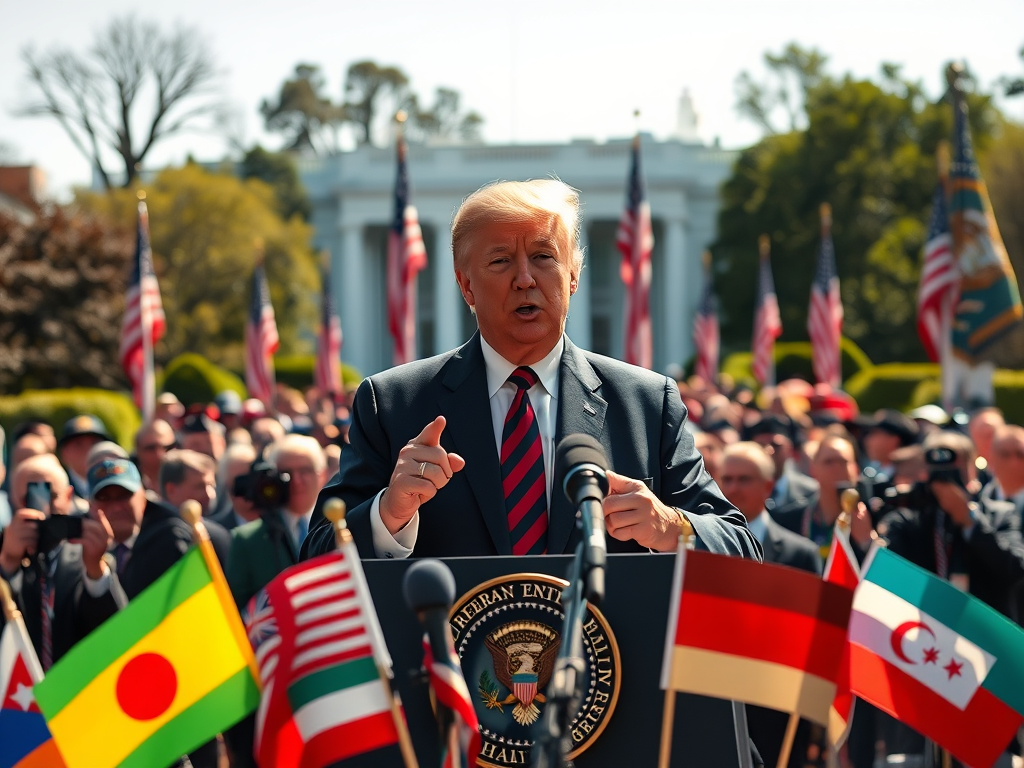
In recent years, political polarization has transformed once-healthy debates into divisive battlegrounds, fracturing the unity that has long been America’s strength.
1. The Decline of Civil Discourse
One of the most troubling shifts in American politics is the breakdown of civil discourse. Gone are the days when political opponents could engage in spirited debates while still maintaining mutual respect. Today, conversations around politics often devolve into heated arguments, with people quick to dismiss opposing views as not just wrong, but immoral or un-American. The “us vs. them” mentality has taken root, eroding the ability to have constructive, meaningful discussions.
This lack of civil discourse has led to deeper divisions within communities and families. Politics is no longer seen as a platform for compromise but as a winner-takes-all game where any concession is viewed as defeat. As a result, relationships are strained or severed, and society becomes increasingly divided along ideological lines.
2. Echo Chambers and the Media’s Role
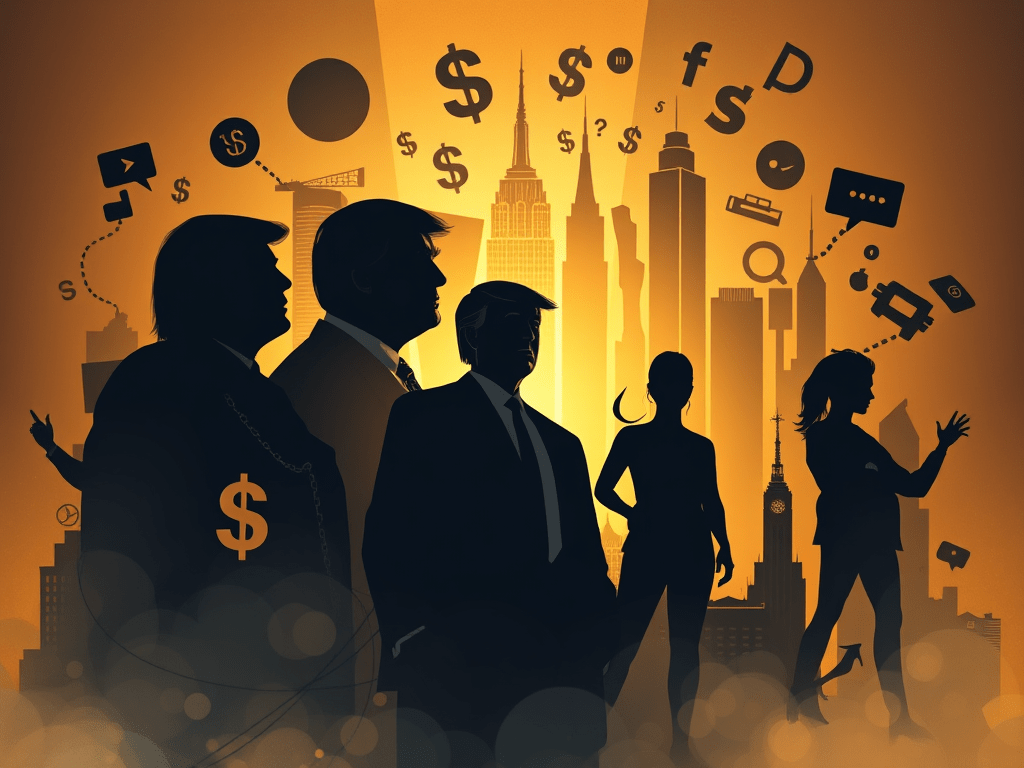
The media landscape, particularly social media, has played a significant role in deepening political divisions. People can now choose news sources that align perfectly with their beliefs, avoiding exposure to differing perspectives. These echo chambers reinforce biases, making it easier to vilify those with opposing views.
This media-fueled polarization amplifies the sense that “the other side” is a threat to the nation’s values. It fosters an environment where people are more likely to view political opponents as enemies, further entrenching divisions within the country.
3. Identity Politics and Tribalism
In recent years, politics has increasingly become intertwined with personal identity. People now define themselves not just by their beliefs but by their political affiliations. This fusion of politics and identity makes compromise or collaboration feel like a personal betrayal, as any challenge to political views is perceived as an attack on one’s identity.
This form of tribalism has led to heightened tension, where political disagreements go beyond policy debates and become deeply emotional, often toxic conflicts. It fosters a culture of loyalty to party lines rather than the broader, unifying values that once defined the American experience.
4. The Erosion of Common Ground
At the heart of America’s growing political divide is the erosion of common ground. Throughout history, the country has experienced deep political disagreements, but there was always a shared belief in the principles that underpinned American democracy—freedom, equality, justice. Today, even those foundational values are up for debate, with different sides questioning what it means to be American.
When people no longer share a sense of national purpose, it becomes easier to focus on what separates us rather than what unites us. This loss of a collective vision leads to deeper polarization, as the idea of “unity” seems increasingly out of reach.
5. The Danger of Political Extremism
The rise of political extremism on both sides of the spectrum has further accelerated the division. As fringe voices gain more prominence, the space for moderation and compromise diminishes. Politicians increasingly cater to the most vocal and extreme factions of their base, leaving the majority of Americans, who lie somewhere in the middle, feeling alienated and disillusioned.
This shift toward extremism makes it difficult to find middle ground on key issues. Instead, the political discourse revolves around a battle between the far-left and far-right, leaving the country in a perpetual state of gridlock, frustration, and division.
A Way Forward: Rekindling Unity
While the current state of political divisiveness may seem bleak, America has faced deep divisions before and emerged stronger. The key to mending the fractured fabric of America lies in fostering a culture of empathy, open-mindedness, and mutual respect. This doesn’t mean abandoning principles or beliefs but recognizing that progress is often made through dialogue, not confrontation.
America’s strength has always been in its diversity of thought, background, and experience. To heal the nation, Americans must rediscover the shared values that have long held the country together. Only then can the deep political divides be bridged, and the country return to a place where differences of opinion don’t tear us apart but make us stronger.
In the end, the real challenge isn’t overcoming political differences—it’s remembering that what unites us as Americans is far more powerful than what divides us.


 Bright Echoes
Leave a reply to Herald Staff Cancel reply